The Importance of Regular Foot Assessments for Diabetics

For people living with diabetes, foot health deserves steady attention rather than occasional concern. Small changes in the skin, nails, circulation, or sensation can develop quietly and become harder to manage when they go unnoticed. Regular foot assessments create an opportunity to identify problems early, support comfort and mobility, and reduce the risk of preventable complications. That is one reason consistent monitoring, and in many cases mobile foot care, can play an important role in a safe long-term care routine.
Why Regular Foot Assessments Matter
Diabetes can affect the feet in several ways at once. Reduced sensation may make it harder to notice a blister, pressure point, or minor cut. Changes in circulation can slow healing. Dry skin, nail thickening, calluses, and changes in foot shape may also increase the chance of irritation or skin breakdown. When these concerns are checked regularly, they are often easier to address before they become more serious.
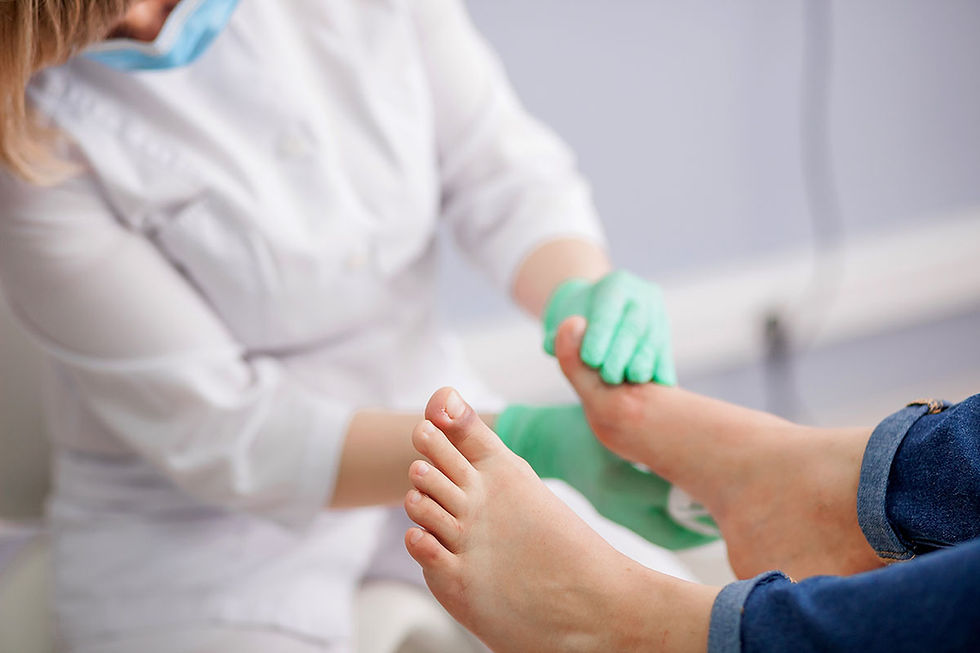
A proper foot assessment is not just a quick glance at the toes. It is a structured review of skin condition, nail health, pressure areas, circulation, and any signs of infection or injury. It also considers footwear, mobility, and how well a person can inspect and care for their own feet between visits. For diabetic clients, this kind of routine review adds an important layer of protection because problems do not always cause immediate pain.
Regular assessments also help establish a baseline. When a nurse or foot care professional sees the feet over time, subtle changes are easier to spot. A callus that is getting thicker, a nail border that is becoming irritated, or an area of redness caused by footwear may not seem dramatic on a single day, but pattern recognition matters. Consistency is often what makes early intervention possible.
What a Thorough Diabetic Foot Assessment Should Include
A useful assessment combines observation, conversation, and practical guidance. The goal is not only to identify present issues, but also to lower the risk of future ones.
Assessment Area | What Is Checked | Why It Matters |
Skin | Dryness, cracks, redness, blisters, sores, fungal changes | Skin breakdown can create an entry point for infection |
Nails | Thickness, curvature, discoloration, ingrown edges | Nail problems can lead to pain, pressure, and injury |
Sensation | Changes in feeling, numbness, tingling, unusual sensitivity | Reduced sensation may hide developing injuries |
Circulation | Temperature, color changes, swelling, pulse concerns | Circulatory issues may affect healing and tissue health |
Pressure Areas | Calluses, corns, friction points, foot shape changes | Pressure can lead to ulcers if it is not relieved |
Footwear | Fit, support, seams, wear patterns, indoor shoe use | Poor footwear can create repeated irritation |
Beyond the physical check, a clinician may ask whether the client can reach their feet safely, whether vision changes make self-inspection difficult, and whether there has been any recent redness, drainage, swelling, or unexplained discomfort. These details matter because foot health is closely tied to daily habits and living conditions, not only medical history.
Warning Signs That Should Never Be Ignored
Even with regular appointments, it is important to know when a foot issue needs prompt attention. Some changes can worsen quickly, especially when diabetes affects healing or sensation.
New cuts, blisters, or open areas that do not look clean and stable
Redness, swelling, or warmth around a toe, nail, or pressure point
Drainage or odor from the skin or nail area
Blackened skin or unusual color changes
Persistent pain or sudden tenderness, even if there is no visible wound
Numbness or increased tingling that seems different from usual
Ingrown nails or thick calluses that are creating pressure or broken skin
Trying to manage these issues at home without proper guidance can sometimes make the situation worse. Cutting calluses, digging at ingrown nails, or using harsh over-the-counter remedies may damage already vulnerable tissue. For diabetic foot care, professional assessment is the safer approach.
Making Ongoing Care Easier with Mobile Foot Care
One of the biggest barriers to regular assessments is simple inconsistency. Some people delay care because of mobility issues, transportation challenges, weather, fatigue, or the difficulty of managing multiple appointments. In those situations, arranging mobile foot care can make routine monitoring easier to maintain in a familiar home setting.
In-home care can be especially helpful for older adults, people with reduced mobility, and families who want a dependable care routine without adding unnecessary stress. A home visit allows the clinician to assess the feet carefully, provide nail and skin care when appropriate, and offer practical advice that fits the client’s daily environment. It can also encourage better follow-through, which is often one of the most important parts of prevention.
For clients in Peel Region, Foot Care Nursing offers professional in-home foot care services that align well with the needs of diabetic clients who benefit from skilled observation and regular follow-up. The value is not simply convenience. It is the ability to support continuity, comfort, and earlier recognition of changes that deserve attention.
Schedule assessments at regular intervals rather than waiting for a problem to appear.
Check feet daily for redness, cracks, swelling, or drainage.
Keep skin clean and moisturized, while avoiding excess moisture between the toes.
Wear properly fitted footwear that does not rub or create pressure points.
Report changes early instead of hoping they will resolve on their own.
Conclusion
Regular foot assessments are a practical, protective part of diabetic care. They help detect changes before they become larger problems, support comfort and mobility, and reduce the chances that small issues will be missed. When consistent follow-up is difficult, mobile foot care can make that routine more realistic and more sustainable. For diabetics, the goal is not only to treat visible problems, but to build a steady plan that keeps the feet healthier over time.


Comments