The Best Practices for Caring for Aging Feet

Healthy feet support independence, balance, comfort, and mobility, yet they are often overlooked as people age. Skin becomes thinner and drier, nails can thicken, circulation may slow, and everyday tasks like bending to trim toenails or checking the soles of the feet can become difficult. Good elderly foot care is not just about appearance; it is an important part of staying active and preventing avoidable pain or complications.
A thoughtful routine does not need to be complicated. The best approach combines daily observation, gentle cleaning, proper nail care, supportive footwear, and timely professional attention when problems start to develop. With consistent care, aging feet can remain healthier, more comfortable, and easier to manage.
Why aging feet need more attention
Feet change over time in ways that can affect both comfort and safety. Natural fat pads on the soles may thin, making standing and walking feel harder on the joints. The skin may become fragile and prone to cracks, especially around the heels. Toenails often become thicker, more brittle, or harder to cut evenly. In some older adults, reduced flexibility or vision makes routine foot care less safe to do alone.
These changes matter because minor issues can worsen if ignored. A small area of friction can turn into a painful corn or blister. Dry, split skin can become tender and vulnerable. An improperly trimmed nail may become ingrown. This is why regular observation is at the center of effective elderly foot care: noticing changes early makes them easier to address.
For families looking to understand when home care is enough and when extra support is needed, professional guidance on elderly foot care can be helpful, especially when mobility, circulation, or chronic nail issues make routine maintenance more difficult.
Daily habits that protect skin and comfort
The strongest foot care routines are simple enough to maintain every day. Gentle cleansing, careful drying, and a few minutes of observation can prevent many common problems from progressing.
Wash feet gently: Use warm, not hot, water and a mild cleanser. This helps remove sweat and debris without stripping the skin.
Dry thoroughly: Pay special attention to the spaces between the toes, where moisture can linger.
Moisturize dry skin: Apply cream or lotion to the tops and bottoms of the feet, but avoid placing moisturizer between the toes.
Check for changes: Look for redness, swelling, cracks, calluses, blisters, or nail changes.
Change socks regularly: Clean, breathable socks help manage moisture and reduce friction.
It is also wise to avoid walking barefoot, even indoors, if balance is a concern or if the skin is fragile. Supportive slippers or shoes with a closed toe can reduce the risk of minor injuries that may otherwise go unnoticed.
Safe nail and callus care at home
Nail care is one of the most common trouble spots for older adults. Thickened nails can be difficult to trim, and cutting them too short or rounding the corners too aggressively can lead to soreness or ingrown edges. If nails are manageable at home, trim them straight across using clean tools and file sharp edges gently. Never force a clip through a very thick nail, and do not cut into the sides of the nail fold.
Calluses should also be handled conservatively. A light pass with a foot file after bathing may help smooth rough areas, but aggressive scraping can irritate the skin. Corn pads, blades, and harsh chemical treatments are best avoided unless specifically recommended by a qualified professional. Aging skin generally responds better to steady, gentle care than to quick fixes.
Soak is optional, but if used, keep it brief and dry the feet well afterward.
Trim nails when they are slightly softer, not overly wet.
Use a file to reduce rough edges instead of cutting deeply.
Stop if there is pain, bleeding, or resistance.
Seek professional care if nails are thick, curved, discolored, or difficult to reach safely.
Choosing footwear that supports balance and mobility
Shoes can either protect aging feet or create ongoing irritation. The right pair should feel secure, stable, and roomy enough in the toe box to avoid pressure on nails and joints. Tight shoes may worsen calluses, corns, or nail problems, while loose shoes can affect balance and increase friction.
What to look for | Why it matters |
Wide, rounded toe box | Reduces pressure on toes and thickened nails |
Low, stable heel | Supports balance and safer walking |
Firm sole with some cushioning | Improves comfort without feeling unstable |
Adjustable closure | Helps achieve a secure fit if feet swell during the day |
Seam-free or smooth interior | Lowers the risk of rubbing and skin irritation |
Socks also matter. Soft, breathable fabrics can reduce moisture buildup and friction. If swelling is common, avoid bands that dig into the skin. Any new pair of shoes should be checked after wear to make sure no red areas or pressure points are developing.
When professional foot care is the better choice
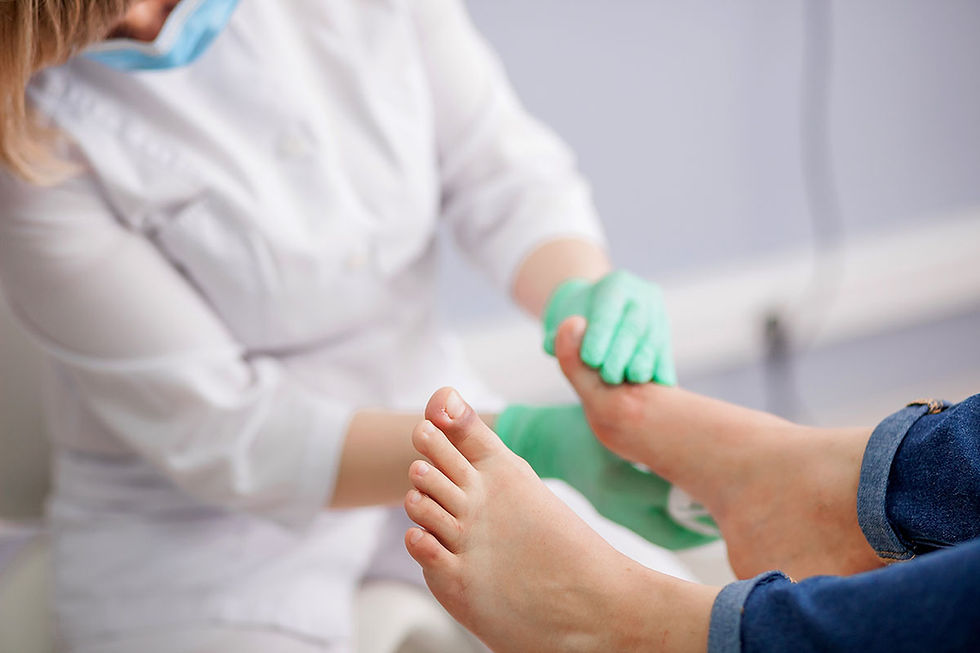
There are times when home care is no longer the safest or most effective option. Pain, swelling, thick nails, recurrent calluses, changes in skin color, or wounds that are slow to improve should not be ignored. Older adults who have limited mobility, reduced vision, or conditions that affect circulation or sensation often benefit from routine professional foot care.
Professional support can also make life easier for family caregivers. Instead of struggling with difficult nail trimming or monitoring ongoing pressure areas without confidence, a trained provider can assess the feet, perform appropriate care, and help identify early concerns before they become more serious.
For those who prefer care at home, Mobile Foot Clinic in Peel Region | Foot Care Nursing offers professional in-home services that can be especially valuable when travel is inconvenient or routine foot maintenance has become difficult. In-home care is often a practical, comfortable solution for older adults who want expert attention without leaving the house.
Building a sustainable elderly foot care routine
The best elderly foot care plan is one that can be repeated consistently. A few minutes each day, along with periodic professional care when needed, is usually more effective than waiting until a problem becomes painful. Start with a straightforward routine: inspect the feet, wash and dry them gently, moisturize dry areas, wear proper shoes, and address nail care carefully. If something looks unusual, do not wait for it to worsen.
Aging feet deserve regular attention because they carry the body through daily life. With steady habits, sensible footwear, and professional help when appropriate, it is possible to protect comfort, reduce preventable problems, and support mobility over time. That is the real goal of elderly foot care: keeping each step safer, easier, and more comfortable for the years ahead.


Comments