
Essential Foot Care for Seniors: A Guide to Healthy Feet

Updated: Jun 2
Why Elderly Foot Care Deserves Daily Attention
Aging changes the feet in ways that are both common and significant. Skin tends to become thinner and drier. Nails often grow thicker and harder to trim. Circulation may slow, and long-standing conditions such as diabetes, arthritis, or edema can increase the risk of complications. Even a minor pressure spot can become painful enough to limit activity. Reduced mobility can create a cycle that affects strength and stability.
That is why elderly foot care should be treated as part of regular wellness, not an occasional task. Caregivers do not need to perform advanced treatment, but they should know how to observe the feet, support basic hygiene, and recognize when a professional assessment is needed. Early attention is often the difference between simple maintenance and a more serious issue.
A Simple Routine Caregivers Can Follow
The best foot care routine is steady, gentle, and realistic. It should fit naturally into bathing, dressing, or bedtime rather than feel like a separate medical task. Comfort and dignity matter, so explain what you are doing, respect privacy, and stop if the older adult feels pain.
Daily Foot Care Tasks
| Task | How Often | What to Do |
|----------------------------|-----------|-----------------------------------------------------------------------------------------------------|
| Visual foot check | Daily | Look for redness, swelling, cracks, blisters, discoloration, and changes in nails or skin. |
| Wash and dry feet | Daily | Use warm, not hot, water and dry carefully, especially between the toes. |
| Moisturize dry skin | Daily | Apply lotion to the tops and bottoms of the feet, avoiding the spaces between toes. |
| Sock and footwear review | Daily | Choose clean, well-fitting socks and shoes with support and enough toe room. |
| Nail check | Weekly | Watch for thickening, curling, ingrown edges, or signs that trimming is becoming difficult. |
When helping with a routine, keep these basics in mind:
Check the skin in good light. Inspect heels, soles, the tops of the feet, and between the toes.
Clean gently. Avoid harsh scrubbing that can irritate fragile skin.
Dry thoroughly. Dampness between the toes can encourage skin breakdown.
Use moisturizer wisely. Dry, cracked heels benefit from regular cream, but excess moisture between toes can cause problems.
Encourage movement. If medically appropriate, simple walking or ankle movements can help circulation and reduce stiffness.
Warning Signs Caregivers Should Never Ignore
Many common foot issues start subtly. A caregiver who knows what to watch for can respond before discomfort becomes a larger problem. It is especially important to stay alert if the older adult has diabetes, poor circulation, neuropathy, or difficulty feeling pain in the feet.
Redness or warmth: May suggest irritation, pressure, or infection.
Swelling: Can be related to circulation, fluid retention, injury, or shoes that no longer fit well.
Cracks, cuts, or sores: Even small openings in the skin deserve attention.
Thick, yellow, or distorted nails: These can become painful and difficult to manage safely.
Corns or calluses: Often signal ongoing pressure or friction that needs correction.
Pain while walking: A new limp, hesitation, or reluctance to wear certain shoes should not be dismissed.
Changes in color: Pale, bluish, or unusually dark skin may indicate circulation concerns.
If an older adult cannot comfortably describe symptoms, behavioral changes can offer clues. Reduced walking, trouble sleeping, irritability during dressing, or avoiding shoes may all point to foot pain.
Nails, Skin, and Footwear: Prevention That Works
Caregivers often focus on cleaning, but prevention depends just as much on nail care and proper footwear. Toenails should generally be trimmed straight across, though this can be difficult when nails are thick, curved, or brittle. If vision is limited, hand strength is reduced, or the older adult has diabetes or circulation problems, it is safer to avoid home trimming that could cause injury.
Skin care matters too. Dry skin tends to crack around the heels, while trapped moisture between toes can lead to irritation. A balanced routine helps prevent both problems. Choose soft socks that do not bind tightly at the calf, and change them promptly if they become damp.
Shoes should support the whole foot rather than simply cover it. Look for:
A wide toe box that does not squeeze the toes
Low, stable heels
Non-slip soles
Enough depth to avoid rubbing over the nails and joints
Fastenings that keep the foot secure without pressure
It is also wise to check the inside of shoes regularly. A rough seam, worn lining, or small object can cause surprising discomfort, particularly for someone with reduced sensation.
When Professional Elderly Foot Care Is the Right Next Step
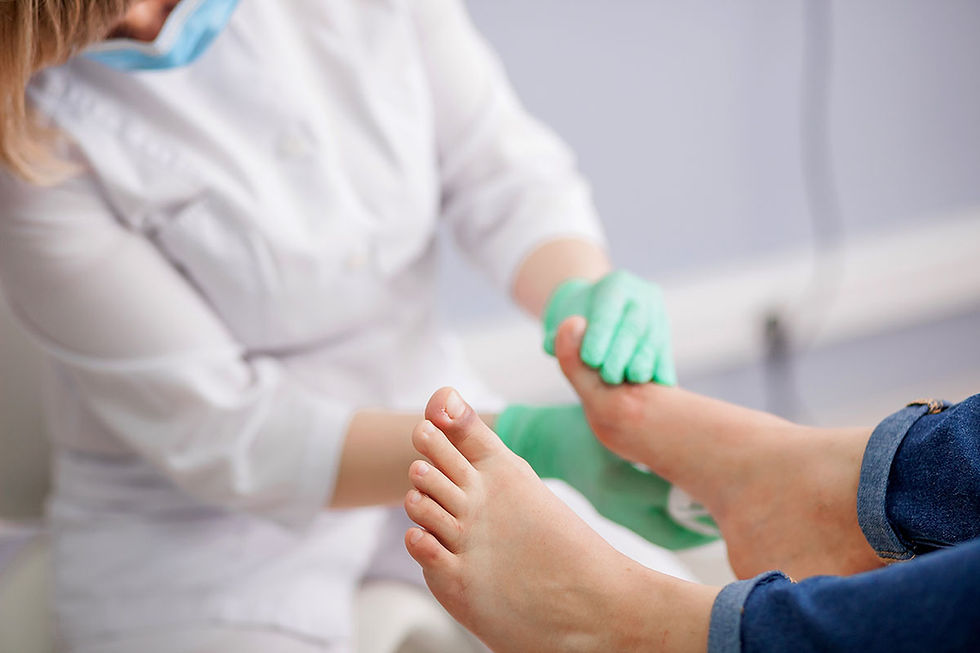
Some foot care needs go beyond what a caregiver should handle at home. Thickened nails, ingrown nails, painful calluses, persistent swelling, and any wound or skin breakdown should be professionally assessed. This is not only about comfort; it is about reducing risk and preserving mobility.
For families who prefer care at home, mobile support can make the process much easier. GTA Mobile Foot Care Nursing provides trusted mobile foot care in Brampton, which can be especially helpful for older adults who have difficulty traveling, use mobility aids, or simply feel more comfortable receiving care in familiar surroundings.
Professional foot care nursing is also valuable when a caregiver wants reassurance. A trained provider can identify pressure areas, monitor skin and nail changes, and offer practical guidance tailored to the older adult’s health status and daily routine.
Supporting Comfort, Mobility, and Dignity
Good elderly foot care is not complicated, but it does require consistency, observation, and a gentle approach. When caregivers build a simple routine, choose supportive footwear, and respond early to warning signs, they help protect more than foot health. They support steadier movement, greater comfort, and the dignity that comes with staying active and independent for as long as possible. When home care is no longer enough, timely professional support can make all the difference.


Comments