Benefits of Walk-In Tubs for Elderly: Safety, Comfort, and Cost

Last Updated: November 11, 2026
Quick Summary
Walk-in tubs benefit elderly homeowners by removing the need to climb over a tub wall: a low threshold, built-in seat, grab bars, and a leak-proof door reduce the balance and strength a bath requires. Hydrotherapy in warm water can temporarily ease joint pain and stiffness, though it is a comfort measure, not a treatment. They also support independent bathing at home, but cost more and require checking plumbing, drain, and water heater capacity.
A leak-proof door will not open until the tub drains, so the bather sits in the tub while it drains.
Bathing water should be comfortably warm rather than hot, and a caregiver or thermometer should confirm temperature for anyone with reduced foot sensation.
A walk-in tub holds more water than a standard tub, so the drain, water supply, and sometimes the water heater may need attention.
Leave the door open to dry the gasket after every bath, and inspect the gasket monthly for cracks or flattening.
The Medical Expense Tax Credit may include eligible home accessibility renovations, but confirm current figures with the Canada Revenue Agency.
Planning a bathroom renovation for a parent?
We provide licensed in-home foot care for seniors, so you can plan safely around real foot health.
Table of Contents
How Walk-In Tubs Support Bathroom Safety Tips for Seniors
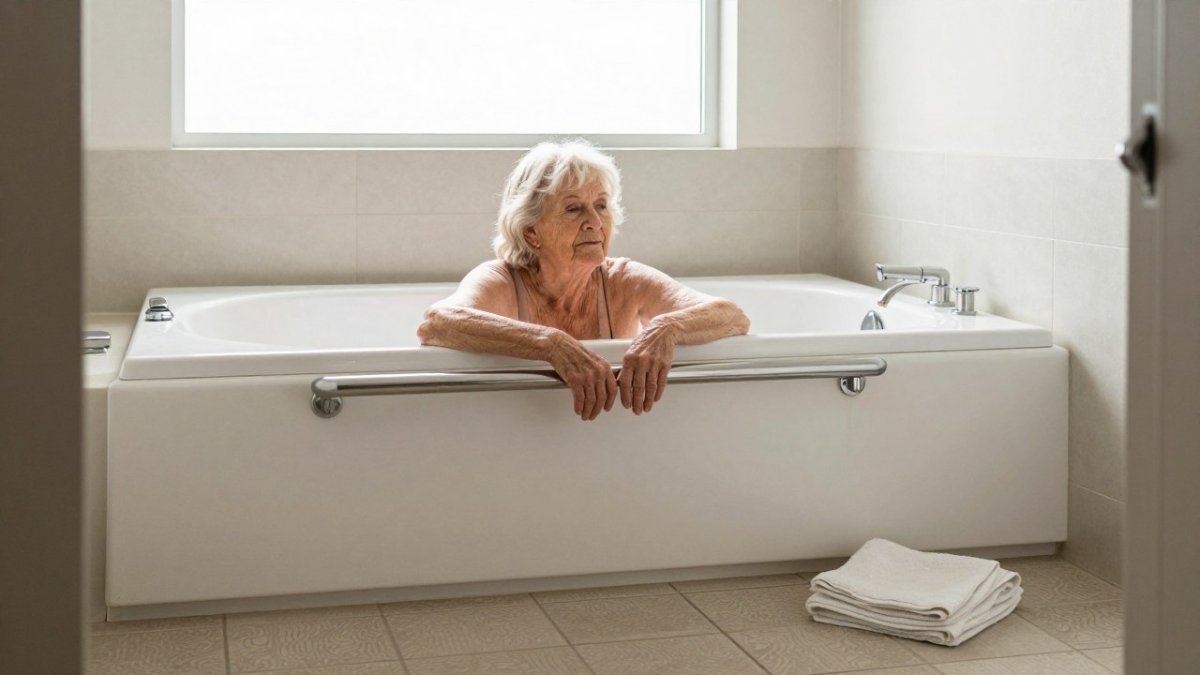
The benefits of walk-in tubs for elderly homeowners start with one design decision: removing the need to climb over a wall. A tub with a low threshold, a built-in seat, and a door that seals changes how much balance and strength a bath requires. (Source: Health Canada's recommendations for safe bathing practices)
Walk-in tubs are bathing fixtures with a hinged, watertight door and a low entry step, designed so a person can sit rather than step over a rim. Most models pair a molded seat with grab bars and a textured floor.

Low-Step Entry and Non-Slip Flooring
The entry threshold is the detail that decides whether a tub is usable. A low-step entry lets someone with limited hip or knee mobility step in while holding a grab bar, instead of lifting a leg over a standard tub wall.
Flooring matters just as much. Textured tub floors and non-slip bathroom flooring outside the tub reduce the chance of slipping on wet tile. If you are weighing materials for the surrounding floor, our guide to choosing non-slip bathroom flooring for seniors walks through the options.
Grab Bars, Seated Bathing, and Leak-Proof Doors
Seated bathing is the core safety feature. A molded seat with a backrest means the bather is not balancing on a wet surface, and grab bars give a fixed point to hold during entry and exit.
The door mechanism deserves scrutiny. A leak-proof door relies on a gasket and a latch that must be fully engaged before water goes in, and it will not open until the tub drains. That is a safety feature, not an inconvenience, but it means the bather sits in the tub while it drains.
Hydrotherapy and Therapeutic Benefits for Joint Pain and Arthritis
Hydrotherapy in a walk-in tub means soaking in warm water, sometimes with water jets or air jets, to ease joint pain and muscle stiffness. Warm water can help relax muscles and reduce stiffness temporarily, which many people with arthritis find makes movement easier afterward.
The honest caveat: a tub is a comfort measure, not a treatment. Pairing soaks with a daily routine matters, and our guide to foot care for seniors with arthritis covers what that looks like.
How Warm Water and Jets Actually Work on Stiff Joints
Warm water is commonly described as easing stiffness and making movement feel more comfortable for some people. Jets are a matter of personal comfort, and a clinician can advise on what suits an individual.
Some practitioners suggest shorter, more frequent soaks over one long bath, and a clinician can advise what routine suits an individual's condition.
Safe-Use Protocol for Arthritis and Neuropathy
Water temperature matters for safety. Bathing water should be comfortably warm rather than hot. For anyone with reduced sensation in the feet, common with diabetes and with some circulation conditions, the bather cannot reliably feel water that is too hot, so a caregiver or a thermometer should confirm the temperature before entry.
Timing matters too. Long soaks in very warm water can cause lightheadedness on standing, and the door mechanism means the bather sits in the tub while it drains. A short soak, a slow stand, and a grab bar within reach reduce that risk.
What Hydrotherapy Does Not Fix
A walk-in tub is not a substitute for medical or physiotherapy care. Foot concerns such as infections, ingrown nails, or pressure areas should be assessed by a qualified professional before bathing decisions are made. If you are weighing whether the soak is worth the installation, the answer usually depends on whether the bather can get in and out safely and whether the underlying foot and joint issues are being managed.
Maintaining Independent Living and Dignity at Home
Bathing independently is one of the routines many people value most, and it can affect how someone sees themselves.
From Demo to Done: The HomePride Way
Independence at home also depends on foot health. Foot problems and footwear choices affect balance and fall risk more than most families realize, and our article on foot problems and fall risk in seniors explains what to check and who to call.
Walk-In Tub vs Roll-In Shower Pros and Cons
A walk-in tub suits people who want to soak and can step over a low threshold. A roll-in shower suits people who use a wheelchair or walker and need zero threshold.
Feature | Walk-In Tub | Roll-In Shower |
Entry | Low step over a door threshold | Zero threshold, wheel-in access |
Best for | Soaking, arthritis relief, seated bathing | Wheelchair or walker users |
Space needed | Larger footprint than a standard tub | Needs a large, drained wet area |
Cost and renovation | Higher material and plumbing cost | Higher structural and drainage cost |
Main drawback | Must wait for drain before exiting | No soaking; water containment is harder |
Walk-in tub pros: soaking, hydrotherapy, seated bathing, built-in grab bars. Walk-in tub cons: higher cost, longer fill and drain times, a larger water capacity to heat. Roll-in shower pros: true accessibility, easier caregiver assistance. Roll-in shower cons: no soaking, more extensive waterproofing.
The Medical Expense Tax Credit for Home Accessibility
The Medical Expense Tax Credit is a Canadian federal non-refundable tax credit that can include eligible home accessibility renovations for a person with a mobility impairment. Qualifying costs and the claim rules are set by the Canada Revenue Agency, and the exact amounts change, so confirm current figures on the Canada Revenue Agency page for the medical expense tax credit before you budget.
Keep every receipt and get a written description of the work from the contractor. Whether a walk-in tub qualifies depends on your circumstances and a medical certification, so ask a tax professional rather than assuming.
Hidden Costs, Plumbing Requirements, and Long-Term Maintenance
The purchase price is not the whole cost. Plumbing requirements are a common consideration: a walk-in tub holds more water than a standard tub, so the drain, water supply, and sometimes the water heater may need attention.
Long-term maintenance is the second gap in most sales pitches. Door gaskets wear, seals need replacing, and jets need flushing. Ask the installer what a gasket replacement costs and how long the door seal is expected to last before you sign.
Installation Logistics Most Quotes Skip
A walk-in tub is a heavier fixture than a standard tub, and it needs a framed floor that can carry the filled weight. Before you buy, confirm three things with the installer in writing: the drain line size and run, the water heater capacity, and the electrical supply if the model has jets, a heater, or an air blower.
Drain and supply: a larger water volume means the drain must keep up, and the supply lines must deliver enough flow to fill the tub in a reasonable time.
Water heater: a tub that holds more hot water than the tank can supply will run cold before it is full. A tankless or larger tank may be needed, and that is a separate cost.
Electrical: jet and heater models may need a dedicated circuit and appropriate protection in wet locations. Electrical work should be done by a licensed electrician, and local permit requirements should be confirmed with your municipality.
Doorway and clearance: the tub has to get into the bathroom. Measure the door width, the hallway turn, and the stairwell before delivery day.
What Actually Fails, and When
Common moving parts include the door seal, the latch, the pump, and the jet lines. A door gasket is a wear item that may need replacement over time.
Jet lines can hold residual water. Check your manufacturer's maintenance instructions for any recommended flush cycle. Pump seals and heaters are the parts most likely to need service over a long ownership period, and the cost of a service call is the number to ask about before you buy, not after.
A Maintenance Schedule You Can Actually Keep
After every bath: leave the door open to dry the gasket, and wipe the seat and floor.
Weekly: run the manufacturer's flush cycle on jet models, and check that the door closes and latches without force.
Monthly: inspect the gasket for cracks or flattening, and check the caulk line at the floor and wall.
Annually: have the pump, heater, and door alignment checked, and replace the gasket at the first sign of hardening or leakage.
Keep the owner's manual and the service records with the tub. And if the bather's mobility changes, revisit the setup, a tub that was safe at installation may need a transfer bench or a different grab bar placement later.
Booking an In-Home Foot Care Assessment Before You Renovate
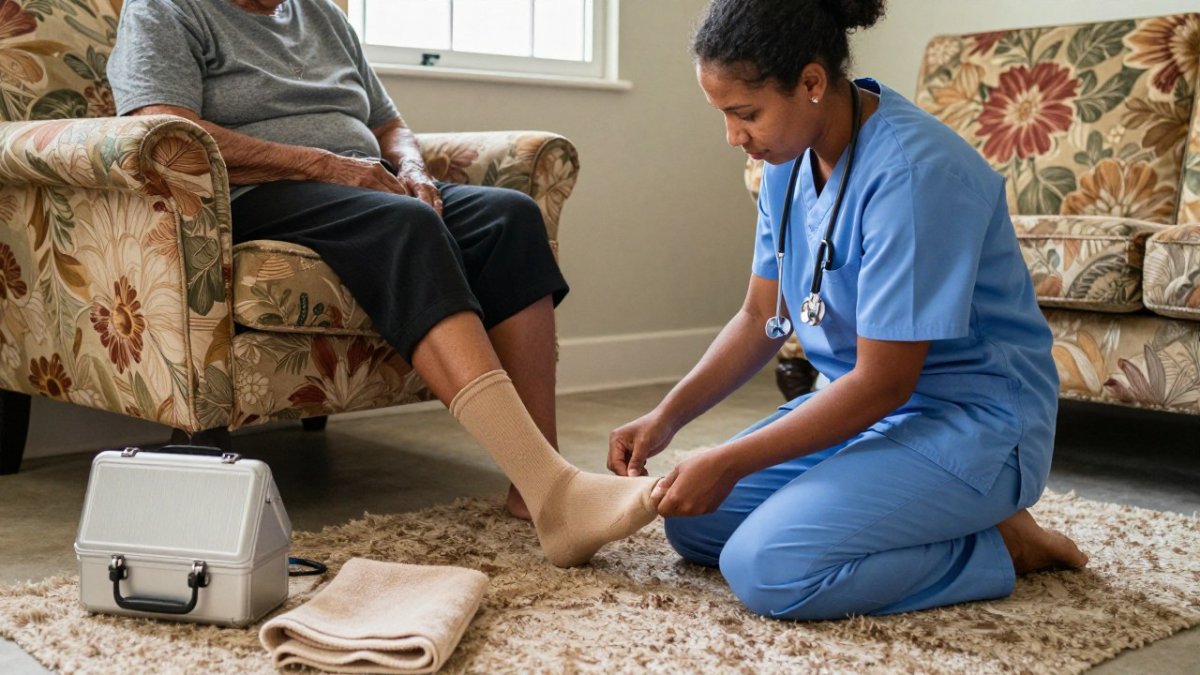
Before you spend on a bathroom renovation, consider getting the feet assessed by a qualified professional to identify any foot concerns that may affect bathing safety.
Foot Care Nursing With Gellis, with Gellis Jerome-Milandou, a licensed RPN and Foot Care Specialist, provides mobile foot care in the home. You can book in-home foot care in Brampton or read about the first mobile assessment and treatment visit to see what to expect.
A walk-in tub can support safety and comfort, but it works best when the feet using it are cared for. Foot Care Nursing With Gellis offers mobile foot care in the home. Get started with Foot Care Nursing With Gellis to learn more.
Frequently Asked Questions
Are walk-in tubs covered by provincial health insurance plans?
Provincial health plans generally do not pay for a walk-in tub itself, because it is treated as a home renovation rather than a medical device. Some costs may qualify as medical expenses on your income tax return if a doctor certifies the need and the tub meets the eligibility rules. Rules differ by province, so confirm the details with the Canada Revenue Agency and your provincial plan before you buy. Ask your installer for itemized receipts.
What are the main safety features of walk-in tubs for seniors?
The features that matter most are a low-step entry (often 10 to 15 centimetres), a leak-proof door with a secure latch, built-in grab bars, non-slip flooring, and a built-in seat for seated bathing. A handheld shower head and easy-to-reach controls help too. These features reduce the need to step over a high tub wall and to stand while washing, which are two common risks in a standard bathroom. An in-home assessment can confirm which layout suits your space.
How do walk-in tubs compare to roll-in showers for accessibility?
A roll-in shower has a zero-threshold entry, so a wheelchair or shower chair can go straight in, and it uses less water. A walk-in tub offers soaking, hydrotherapy jets, and warmer water for joint pain and muscle stiffness, but you must wait for the tub to drain before opening the door, and it needs a larger water heater. If you use a wheelchair most of the time, a roll-in shower is usually easier. If you can walk with support and want soaking therapy, a walk-in tub may suit you better.
Can walk-in tubs help with arthritis and chronic pain?
Warm water and air or water jets can ease joint pain, muscle stiffness, and arthritis discomfort for some people, and hydrotherapy is a common reason families choose a walk-in tub. A walk-in tub does not replace medical treatment. Talk to your health care provider about whether warm-water soaking fits your condition, especially if you have diabetes or circulation problems in your feet.

Comments