The Best Foot Care Solutions for Mobility Challenges

When mobility becomes limited, small foot problems have a way of turning into daily obstacles. A thick callus, an overgrown nail, or a sore pressure point can change how a person walks, how long they stand, and how confident they feel moving through the day. The best foot care solutions for mobility challenges are not simply about comfort or appearance. They are about preventing avoidable pain, supporting balance, and making everyday tasks safer. That is why practical, consistent care, including callus removal services when needed, deserves a central place in any routine built around independence.
Why Foot Health Matters More When Mobility Is Limited
People who use walkers, canes, wheelchairs, or who move carefully after illness or injury often place uneven pressure on their feet. That pressure can create thickened skin, tenderness, and irritation over time. Even mild foot discomfort may lead someone to shift weight awkwardly, shorten their stride, or avoid movement altogether. Once that pattern begins, it can affect posture, confidence, and overall activity levels.
Good foot care is especially important because limited mobility can make self-care harder. Reaching the feet safely may be difficult, vision may be reduced, and conditions such as arthritis can make trimming nails or smoothing thick skin risky. In these situations, regular observation and professional care become less of a convenience and more of a sensible health support.
Common Problems That Benefit From Callus Removal Services
Calluses develop as the skin protects itself from repeated friction and pressure. While some callus buildup is minor, thicker areas can become painful, crack, or create discomfort inside shoes. Professional callus removal services can help reduce that pressure safely while also identifying whether footwear, gait, or dryness may be contributing to the problem.
Other common issues often appear alongside calluses and should be considered as part of the same care plan:
Corns and pressure points: These may feel small but can cause sharp discomfort with every step.Dry, cracked heels: Cracks can deepen and become painful if ignored.Thickened or difficult-to-manage nails: Nails that are hard to trim can press on nearby skin or affect shoe fit.Sensitive skin from friction: Repeated rubbing can lead to soreness and reduced tolerance for walking.
The goal is not aggressive removal or quick cosmetic improvement. The best approach is careful, conservative care that relieves pressure while protecting healthy skin. For people with mobility challenges, that balance matters.
Effective foot care for mobility challenges works best when it addresses both immediate discomfort and the reasons discomfort keeps returning. A thoughtful plan often includes several simple elements rather than one isolated treatment.
Regular assessment: Feet should be checked for changes in skin texture, tenderness, redness, nail condition, and areas of repeated rubbing.Safe callus management: Callus removal services should be performed carefully and only as much as needed to reduce pressure and discomfort.Nail care: Proper trimming and basic maintenance can improve comfort in shoes and reduce avoidable irritation.Moisture support: Dry skin tends to crack more easily, so a simple moisturizing routine can be an important part of prevention.Footwear review: Tight seams, poor support, or shoes that concentrate pressure in one area can undo otherwise good care.
It also helps to keep expectations realistic. No single appointment solves every recurring issue forever. What makes the biggest difference is consistency: attention at the right time, before discomfort grows into a larger limitation.
Why In-Home Foot Care Can Be the Right Fit
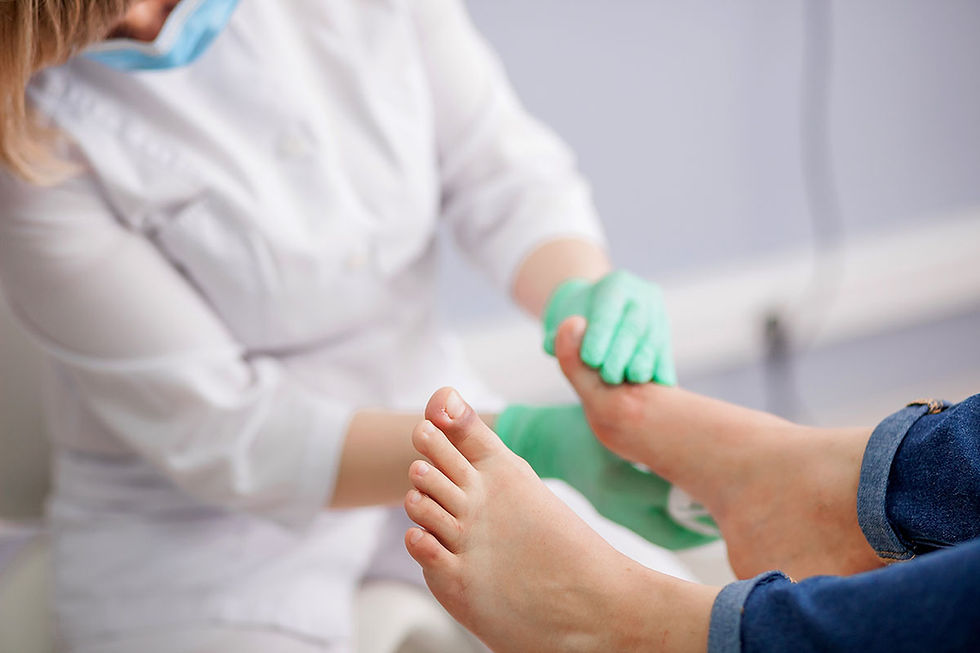
For many people, the best solution is the one they can access safely and consistently. Traveling to appointments may involve stairs, transfers, weather concerns, fatigue, or reliance on a caregiver's schedule. In-home foot care removes many of those barriers and allows treatment in a familiar setting, which can be especially helpful for people who feel unsteady or tire easily.
Consideration | Clinic Visit | In-Home Foot Care |
Travel demands | May require transportation, walking, and waiting | Care is brought directly to the home |
Comfort level | Can feel rushed or tiring for some patients | Often easier in a familiar environment |
Routine follow-up | May be harder to maintain consistently | Can be simpler to keep on schedule |
For residents seeking this kind of support, Mobile Foot Clinic in Peel Region offers professional in-home care designed around comfort, access, and regular maintenance. That model can be especially valuable when routine callus care, nail care, and monitoring are needed but leaving home is difficult.
In-home care also gives providers a clearer sense of the person's day-to-day reality. They can see the footwear being used, the surfaces walked on, and the practical challenges that may be affecting foot health. That context often leads to more useful guidance than treatment alone.
Simple Habits That Help Callus Removal Services Last Longer
Professional care works best when it is supported by sensible habits between visits. These steps do not need to be complicated, but they should be consistent.
Choose shoes with a comfortable fit and enough room around pressure areas.Wear clean, supportive socks that reduce friction.Moisturize dry skin regularly, especially around the heels.Check the feet often for thickened skin, redness, tenderness, or cracks.Avoid trying to cut thick skin at home, especially if reaching the feet is difficult.
If pain increases, walking changes noticeably, or a pressure area becomes more sensitive, it is wise to arrange professional assessment sooner rather than later. Early attention is usually easier than correcting a problem that has already interfered with movement.
Conclusion
The best foot care solutions for mobility challenges are the ones that protect comfort, reduce pressure, and support safer daily movement. In that picture, callus removal services are not an extra detail; they can be a meaningful part of maintaining independence when every step counts. Whether the priority is easing pain, improving shoe comfort, or making ongoing care easier to manage, consistent professional attention can make a real difference. For people who find travel difficult, thoughtful in-home support offers a practical path to better foot health and more confident mobility.
Generated with Rabbit SEO

Comments