A Day in the Life of a Mobile Foot Care Nurse

Mobile foot care is practical, hands-on, and deeply personal work. A nurse in this field does far more than trim nails or address dry skin. Each visit requires clinical attention, careful observation, infection control, patient education, and the ability to adapt to a person’s home, health history, and comfort level. The day often moves quietly from one doorstep to the next, but the impact can be significant for people who find it difficult to manage their feet safely on their own.
How a Mobile Foot Care Nurse Starts the Day
The day usually begins before the first appointment. A mobile foot care nurse reviews the schedule, confirms addresses, and checks notes from prior visits. This preparation matters because no two clients are exactly alike. One person may need routine nail care, another may require ongoing monitoring because of circulation concerns, thickened nails, or reduced mobility.
Equipment must also be organized with intention. Clean instruments, personal protective supplies, documentation materials, and skincare products all need to be packed and ready. In mobile practice, there is no supply closet down the hall. Everything required for safe, efficient care has to travel with the nurse.
There is also a mental checklist that shapes the day:
Review health considerations that may affect treatmentAllow enough travel time between homesPrepare for different home environments and seating setupsMaintain a clear infection-control routine from one visit to the next
This early structure creates the foundation for a calm visit, which patients often appreciate immediately.
Arriving at the Home: Assessment Comes First
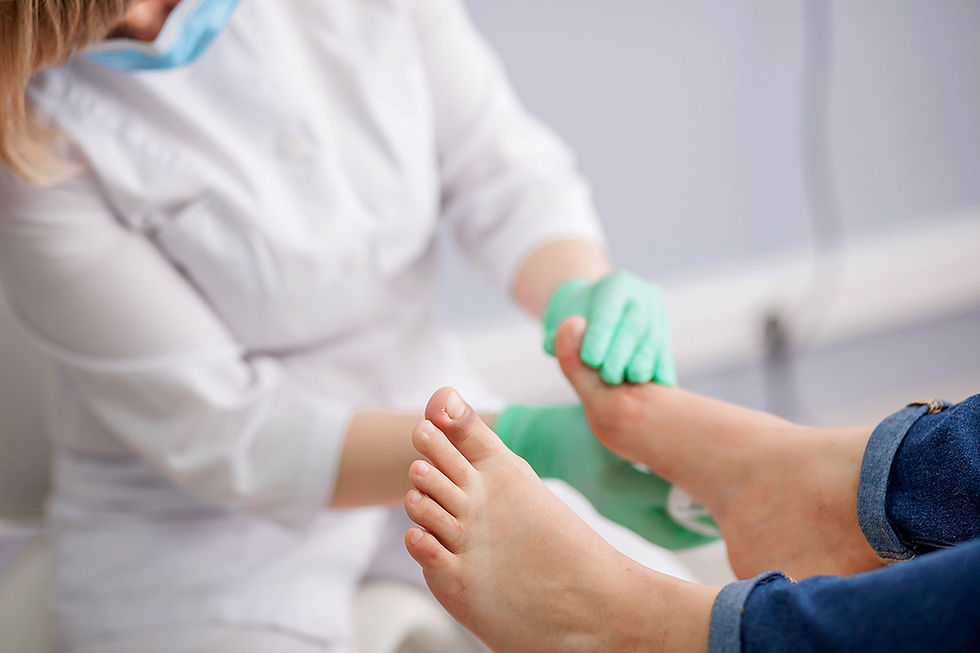
Once the nurse arrives, the appointment does not begin with tools. It begins with observation and conversation. A mobile foot care nurse pays attention to how the patient is moving, whether they appear uncomfortable, and how easily they can reach a safe position for treatment. Small details often shape the visit, from lighting in the room to the height of the chair.
A proper assessment includes more than looking at nails. Skin condition, swelling, pressure areas, calluses, temperature, circulation-related signs, and changes since the last visit can all matter. The nurse also asks questions about pain, recent changes in health, medications when relevant to care, and whether the patient has noticed any tenderness, cuts, or difficulty walking.
For readers trying to understand how mobile foot care fits into everyday nursing practice, this is the heart of the work: meeting people where they are, literally and clinically, and adjusting care to the person in front of you.
Trust is built here as well. Many patients are older adults, people with limited flexibility, or individuals who feel embarrassed about the condition of their feet. A calm, respectful approach can make a routine appointment feel far less stressful.
What Happens During a Mobile Foot Care Visit
After the assessment, treatment begins. The exact steps depend on the patient’s needs and the nurse’s scope of practice, but the visit is typically methodical rather than rushed. Comfort, hygiene, and safety guide every part of the appointment.
Stage of Visit | What the Nurse Focuses On | Why It Matters |
Set-up | Clean workspace, proper positioning, protective measures | Supports safety and comfort in the home |
Assessment | Skin, nails, circulation-related signs, pressure areas, pain | Helps identify concerns before treatment proceeds |
Treatment | Nail trimming, reduction of thick nails when appropriate, basic skin care | Addresses comfort and routine foot maintenance |
Education | Daily inspection, footwear awareness, when to seek further help | Encourages better habits between appointments |
Documentation | Notes on findings, care provided, changes over time | Creates continuity from one visit to the next |
Education is often one of the most valuable parts of the visit. A nurse may explain why a small crack in the skin should not be ignored, why cutting nails too short can create problems, or why certain patients should avoid self-treating corns or thickened nails. These conversations are practical and individualized, which makes them more useful than generic advice.
The Challenges Behind the Schedule
From the outside, a day of home visits may look simple. In reality, mobile foot care nursing requires steady judgment. Home environments vary. Some spaces are spacious and well lit; others are tight, dim, or difficult to work in comfortably. Travel can be unpredictable, and each patient may need more time than expected if a new concern appears.
There is also a balance between providing care and recognizing when a concern falls outside routine treatment. A nurse must know when findings deserve referral or follow-up with another healthcare professional. That may include signs of infection, wounds, sudden swelling, or changes that need further assessment. Good care is not about doing everything alone. It is about understanding limits, documenting clearly, and helping patients take the next appropriate step.
Emotional intelligence matters too. Some patients want conversation; others are quiet. Some are managing chronic conditions, grief, isolation, or anxiety around health changes. The nurse has to remain present, professional, and compassionate while still keeping the day on schedule.
Why Mobile Foot Care Leaves a Lasting Impact
What makes this work meaningful is not only the treatment itself, but the consistency of it. Feet affect comfort, confidence, and daily function in ways people often overlook until something becomes painful or hard to manage. A careful in-home visit can help a person feel more at ease in their own body and more capable in their routine.
That is why the human side of the job matters so much. The best visits do not feel transactional. They feel attentive. Patients are seen in their own environment, with all the real-life details that shape their care. For families, that can bring reassurance. For patients, it can bring dignity.
This is also where a service such as Mobile Foot Clinic in Peel Region fits naturally into community care. Professional in-home nursing support is not about glamour or speed. It is about showing up prepared, treating people respectfully, and delivering foot care with skill and consistency where it is needed most.
At the end of the day, a mobile foot care nurse leaves with packed instruments, completed notes, and a travel route behind them. What remains in each home is simpler and more important: relief, guidance, and the sense that someone paid close attention. That is the quiet strength of mobile foot care, and it is why this work continues to matter.
SEO by Rabbit SEO


Comments